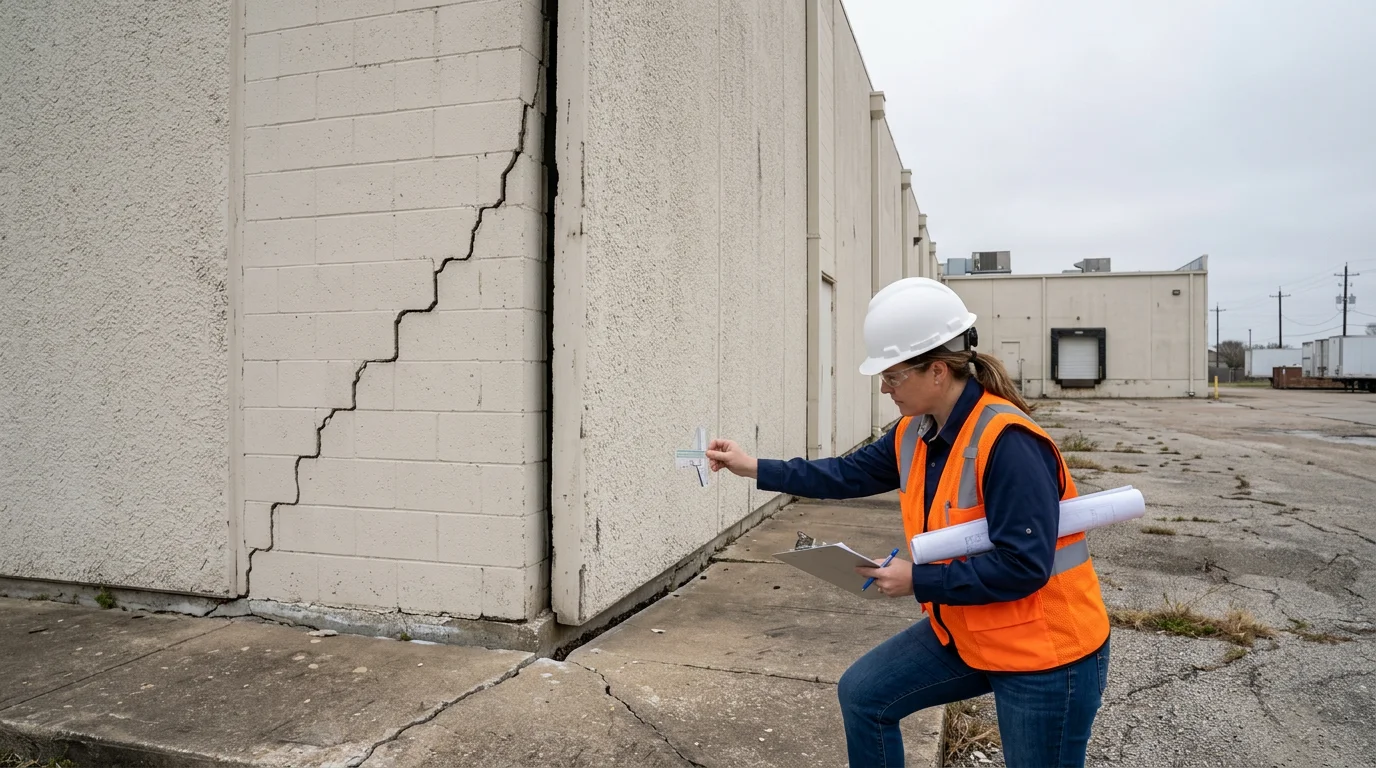
The most common signs of foundation problems in Houston are diagonal cracks in brick or drywall, doors and windows that stick or won't close properly, visible floor slope, gaps between walls and ceilings or floors, and exterior brick separation from door and window frames. Any single sign warrants monitoring. Multiple signs occurring together — especially if they're progressing — warrant a professional foundation assessment before the damage compounds.
Foundation problems don't announce themselves with a single dramatic event. They show up gradually — a crack that wasn't there last year, a door that started sticking this summer, a floor that feels slightly off when you walk across the living room. In Houston, where the Beaumont clay beneath every structure is in constant motion from wet-dry cycling, these symptoms are more common than most property owners realize. The challenge isn't whether you'll see signs of foundation problems — it's knowing which signs indicate normal settling, which indicate active distress, and which require immediate professional evaluation. Superior PolyLift's foundation repair services begin with a diagnostic assessment that separates cosmetic issues from structural concerns — giving Houston property owners clear answers before recommending any repair.
This guide covers the specific warning signs to watch for, how to distinguish serious problems from minor settling, what's causing the damage beneath the surface, and when it's time to move from observation to professional assessment.
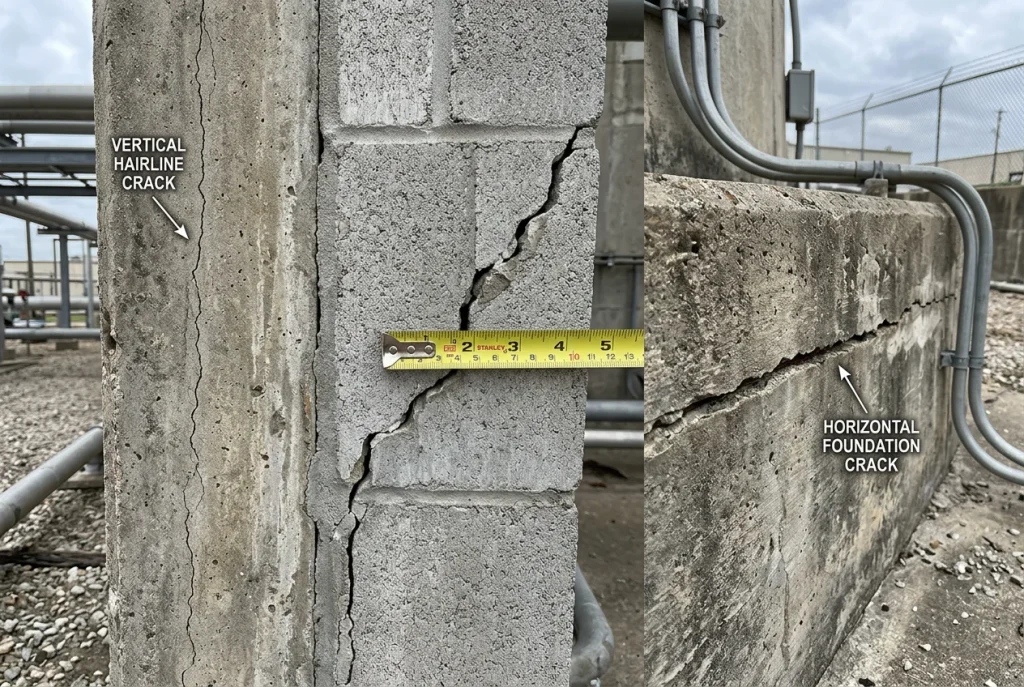
The five most visible signs are: diagonal cracks in interior drywall or exterior brick (especially near door and window corners), doors and windows that stick, bind, or won't latch, visible floor slope or unevenness you can feel when walking, gaps between walls and the ceiling or baseboard, and exterior brick or siding separating from the structure at corners or around openings. These signs often appear gradually and may be dismissed as normal aging — but in Houston, they usually indicate active soil movement beneath the foundation.
Not all cracks mean foundation failure. But the pattern, location, and width of cracks tell an experienced assessor a great deal about what's happening underground.
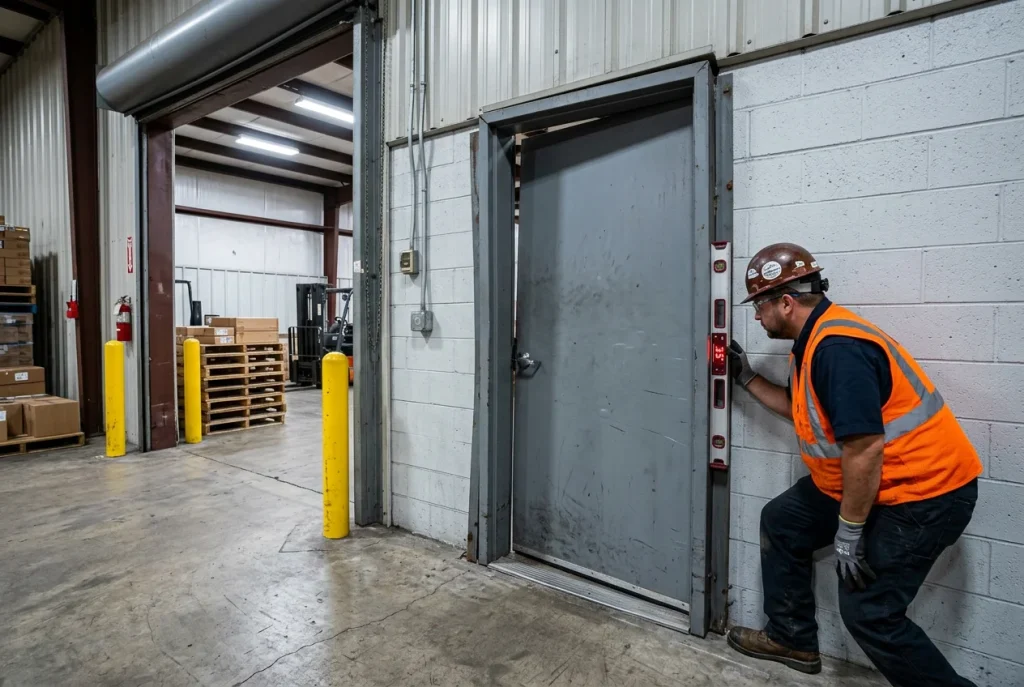
When a foundation shifts, the door and window frames built into the structure shift with it. A door frame that's no longer square produces a door that binds at the top or bottom, doesn't latch properly, or swings open on its own. Windows may become difficult to open or close, or you may notice gaps where the window frame has pulled away from the surrounding wall.
This is one of the earliest detectable signs — and the one most homeowners notice first. If multiple doors in your home started sticking around the same time, the cause is almost certainly foundation movement, not the doors themselves.
A floor that's noticeably uneven — you can feel the slope when walking, or a ball rolls across the room on its own — indicates differential settlement. The foundation has dropped more on one side than the other. Floor slope is measured in inches over a specific distance. A 1-inch slope across a 20-foot room may not be visible, but you'll feel it. A 2-inch slope across the same room is visible and indicates significant settlement.
| Warning Sign | What It Looks Like | Severity Indicator | Urgency |
| Diagonal wall cracks | 45° from door/window corners | Width > 1/4": significant | Monitor if thin; assess if growing |
| Stair-step brick cracks | Stepping pattern in mortar joints | Width > 1/4": active movement | Professional assessment |
| Horizontal foundation crack | Straight line along foundation wall | Any width: serious | Immediate assessment |
| Sticking doors/windows | Binding, not latching, swinging | Multiple doors = foundation | Professional assessment |
| Floor slope | Noticeable tilt walking across room | > 1" over 20 ft: moderate | Elevation survey recommended |
| Wall-ceiling gaps | Separation at top of walls | Growing gaps: active movement | Professional assessment |
| Brick separation at corners | Brick pulling away from structure | Visible gap: significant | Professional assessment |
Normal settling produces minor, stable hairline cracks that appear within the first few years after construction and don't change over time. Structural foundation problems produce cracks that are wider than 1/4 inch, are actively growing, appear in patterns that indicate differential movement, and are accompanied by other symptoms like sticking doors, floor slope, or exterior separation. The key diagnostic question is: are the signs static or progressing?
Every building settles. The soil beneath a new foundation compresses under the building's weight during the first few years, producing minor hairline cracks in drywall that are cosmetic, not structural. These cracks typically appear within the first one to three years, are thin (less than 1/16 inch), and stop growing.
Foundation distress is different. The cracks are wider, they grow over time, and they don't appear alone — they're accompanied by other symptoms that together paint a picture of a foundation that's moving.
A single hairline crack in one wall is probably cosmetic settling. But when you see a diagonal crack near the front door, the back door is sticking, the kitchen floor slopes toward the living room, and a gap has opened between the master bedroom wall and the ceiling — that's a pattern of differential foundation movement affecting the entire structure. Multiple symptoms in different locations that align with a settlement pattern indicate structural distress that needs professional diagnosis.
Mark existing cracks with painter's tape and date them. Photograph them with a ruler for scale. Check them monthly. Cracks that haven't changed in six months are likely stable. Cracks that are visibly wider or longer than they were three months ago are actively progressing — and the soil movement causing them hasn't stopped.
In Houston, foundation symptoms often worsen during seasonal transitions — late summer when the clay is driest, and late spring after heavy rains. If your doors stick worse in August than February, or cracks open wider during drought, the symptoms are directly tied to soil moisture cycling. That's foundation distress, not cosmetic settling.
Four primary causes drive foundation damage in Houston: expansive clay soil that moves with moisture changes, poor drainage that concentrates water against the foundation, plumbing leaks beneath the slab that create localized soil disturbance, and tree root systems that extract moisture from the soil near the foundation. Most Houston foundation problems involve a combination of these factors — the clay provides the mechanism, and the other factors create the moisture conditions that trigger it.
The fundamental cause. Houston's Beaumont clay swells when wet and shrinks when dry. The resulting soil movement pushes the foundation upward during wet periods (heave) and allows it to drop during dry periods (settlement). Over years of cycling, the cumulative movement produces the visible damage described above.
Water that pools against the foundation — from improper grading, clogged gutters, downspouts that discharge too close to the building, or landscape beds that trap moisture — creates localized soil saturation. That saturated zone swells while adjacent dry zones remain contracted. The differential movement is what damages the foundation.
Houston's slab-on-grade construction places plumbing lines beneath the foundation slab. When a supply or drain line develops a leak, it introduces sustained moisture into a localized soil zone. The clay in that zone stays permanently swollen while the surrounding clay follows its normal seasonal cycle. The result is localized heave that can mimic structural foundation failure — but the cause is a plumbing problem, not a structural one.
Mature trees near foundations extract significant soil moisture through their root systems. A large live oak can remove hundreds of gallons of water per day from the soil within its root zone. This desiccation creates settlement directly around the tree — often visible as a localized dip in the slab near the tree's trunk. The effect is most dramatic during Houston's dry summer months when the tree's water demand is highest and the soil is already losing moisture to evaporation.
| Cause | Mechanism | Most Common Evidence | First Response |
| Expansive clay | Shrink-swell with moisture | Seasonal crack changes, door sticking | Moisture management |
| Poor drainage | Localized soil saturation | Settlement at downspout zones | Grade correction, gutter extension |
| Plumbing leak | Sustained under-slab moisture | Localized heave, hot spots on floor | Hydrostatic plumbing test |
| Tree roots | Soil moisture extraction | Settlement near mature trees | Arborist consultation, root barriers |
Call for professional assessment when you observe multiple foundation warning signs occurring together, when cracks are wider than 1/4 inch or actively growing, when doors throughout the home (not just one) have started sticking, when floor slope is noticeable enough to feel while walking, or when exterior brick has visibly separated from the structure. Don't wait for the problem to get worse — foundation damage is progressive, and early intervention is both less expensive and less disruptive than delayed repair.
The "wait and see" approach has an understandable appeal. Foundation repair sounds expensive and disruptive. Maybe the cracks will stop. Maybe the doors will unstick. In Houston's soil conditions, waiting almost always means the problem gets worse — because the soil movement that's causing the symptoms doesn't pause.
Here's when monitoring is appropriate and when professional assessment is urgent:
Superior PolyLift's foundation assessment includes a complete elevation survey, visual inspection of all symptom areas, and a clear diagnosis that distinguishes between cosmetic issues, soil-driven settlement, and structural damage requiring repair. The assessment is free, and it gives you data — not just opinions — to make an informed decision about whether and how to proceed.Ready to get answers about your foundation? Contact Superior PolyLift™ for a free diagnostic assessment. Their team will map the settlement, identify the cause, and give you a clear picture of what your foundation needs — whether that's monitoring, moisture management, or active repair.
Explore how our expertise can benefit your project. Reach out to our team for a consultation and discover the best solutions for your needs.

At Superior PolyLift™, integrity and reliability are the core of our ethos. Our expert team crafts custom solutions that guarantee quality and durability for every project. Choose us for geotechnical excellence that endures.
Copyright © All rights reserved. 2024 • Terms of Use and Privacy Policy • Internet Marketing by Authority Solutions®